Plant Emojis: Copy-and-Paste Guide With Meanings and Uses

The most-used plant emojis are 🌱 seedling, 🪴 potted plant, 🌿 herb, 🌵 cactus, 🌳 deciduous tree, 🌲 evergreen tree, 🌴 palm tree, 🌸 cherry blossom, and 🍀 four leaf clover. Each carries its own shade of meaning, from “new beginnings” to “good luck,” and every one below is ready to copy straight into a text, caption, or bio.
Copy this starter set now:
- 🌱 Seedling — growth, fresh starts, small wins
- 🪴 Potted Plant — home, self-care, “plant parent” identity
- 🌿 Herb — calm, wellness, natural living
- 🌵 Cactus — resilience, desert vibes, low-maintenance humor
- 🌳 Deciduous Tree — stability, shade, grounded energy
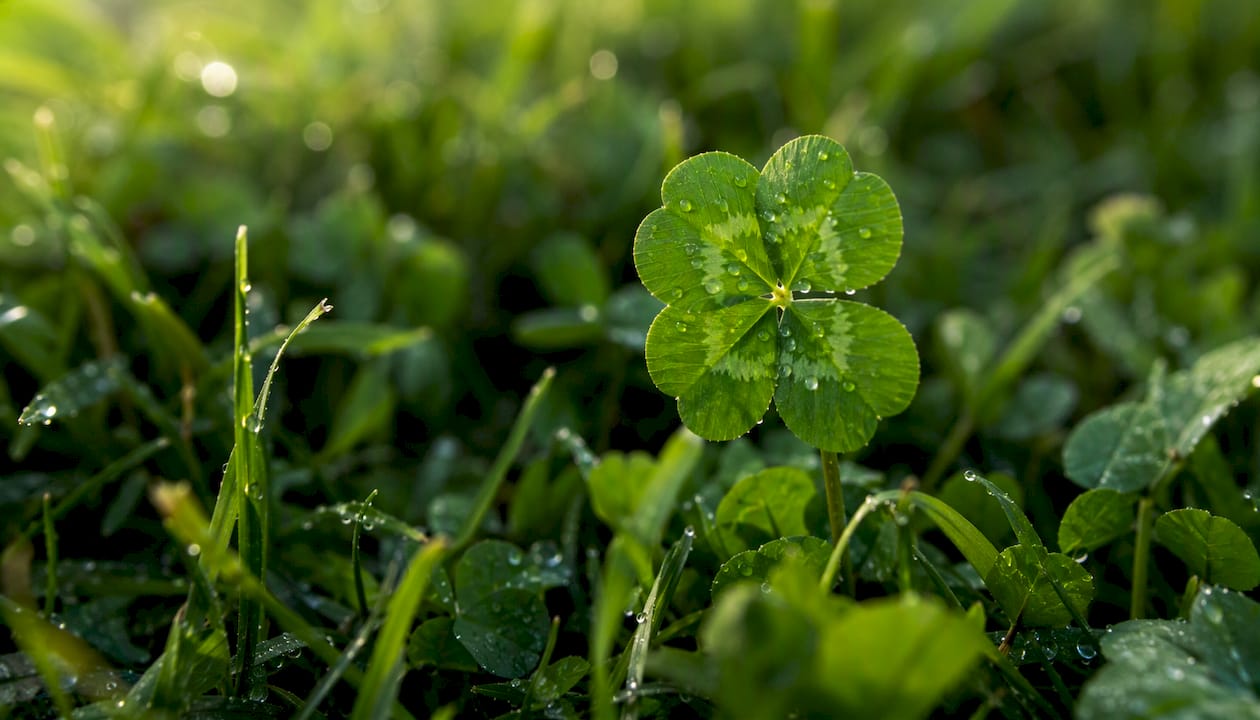
- 🍀 Four Leaf Clover — luck, Irish heritage, good fortune
A comprehensive plant emoji reference shows that most of these glyphs carry both a literal, plant-based reading and a second, more figurative one, which is exactly why a quick meanings list matters before you hit send.
Emojitrove’s library covers all of these and roughly 1,900 more, organized so you can search by name instead of scrolling.
Key Takeaways
Plant emojis work best when you pick a small, consistent set, verify the Unicode name, and check how the glyph renders across platforms before you post it.
| Point | Details |
|---|---|
| Top plant emojis to start with | 🌱 🪴 🌿 🌵 🌳 🌲 🌴 🌸 🍀 cover most everyday captions and bios. |
| Unicode names matter | Searching by the official name (like “evergreen tree”) finds the exact glyph across devices. |
| Watch for slang meanings | 🪴 and 🌿 sometimes carry alternate, non-literal uses in casual online contexts. |
| Platform artwork varies | The same emoji can look softer or more graphic depending on iOS, Android, or Windows. |
| Copy tools speed the workflow | Emojitrove’s copy-and-paste tool and platform previews let you grab and check a glyph in seconds. |
Table of Contents
- The Full Plant Emojis List by Category
- Why Plant Emojis Look Different on Every Phone
- Choosing Plant Emojis That Match Your Vibe
- How to Find and Copy the Right Plant Emoji
- An Editor’s Note on Using These Well
- Copy Plant Emojis Faster With Emojitrove
- Sources
- FAQ
The Full Plant Emojis List by Category
Every entry below shows the Unicode name first, since that’s the label that stays fixed no matter which phone or app displays it. Search by that name in Emojitrove’s meaning pages if you ever want to double check a glyph’s official identity.
Trees
- 🌳 Deciduous Tree — a full, leafy tree. Common use: “growth,” stability, or literal nature scenes. Caption example: “Slow mornings under the 🌳.”
- 🌲 Evergreen Tree — a conifer shape. Used for pine forests, the outdoors, or a calm, cool tone. Caption example: “Cabin weekend, 🌲 energy only.”
- 🌴 Palm Tree — instantly reads as vacation or tropical mood. Caption example: “Off the grid 🌴☀️.”
- 🎄 Christmas Tree — seasonal use almost exclusively tied to December and holiday content.
Leaves & foliage
- 🌿 Herb — a sprig of leaves. Common literal use: cooking, herbal tea, wellness posts. It also shows up as slang, since alternative-meaning guides note it’s sometimes used as discreet marijuana shorthand.
- ☘️ Shamrock — three rounded leaflets, tied culturally to Ireland and St. Patrick’s Day.
- 🍀 Four Leaf Clover — the luck symbol, distinct from the shamrock by its four leaves.
- 🍁 Maple Leaf — fall, Canada, or change of season.
- 🍂 Fallen Leaf — autumn, letting go, or a wistful tone.
- 🍃 Leaf Fluttering in Wind — freshness, breeze, lightness. Often paired with mint or eco-friendly branding.
Flowers
- 🌸 Cherry Blossom — softness, spring, Japanese cultural association (sakura season).
- 🌷 Tulip — simple affection or spring cheer, frequently used in birthday and Mother’s Day messages.
- 🌹 Rose — romance, admiration, or classic beauty.
- 🌺 Hibiscus — tropical or Hawaiian flair, often paired with 🌴.
- 🌻 Sunflower — positivity, warmth, “sunny disposition” captions.
- 🪷 Lotus — calm, meditation, and spiritual or yoga-adjacent content.
- 💐 Bouquet — gratitude, celebration, or a full “thank you” moment.
Potted & houseplant
- 🪴 Potted Plant — home décor, “plant parent” identity, self-care aesthetics. Also used, per the same slang notes above, as an alt reference to marijuana in some online circles.
- 🌱 Seedling — new beginnings, career growth, or (in a completely different register) a shorthand some people use for veganism.
Cacti & succulents
- 🌵 Cactus — resilience, desert humor, “low-maintenance friend” jokes. Works well solo since there’s no close competing glyph for it.
Grains, harvest & produce
- 🌾 Sheaf of Rice — traditionally harvest or abundance, though it’s been repurposed in a few online subcultures to signal a specific identity or stance, so context matters before you use it casually.
- 🌽 Ear of Corn — literal food use, farmers-market captions, or Midwest humor.
- 🍄 Mushroom — forest aesthetics, cottagecore content, or (rarely) psychedelic references depending on the caption.
Why Plant Emojis Look Different on Every Phone
The Unicode name for an emoji never changes. What changes is the artwork each company draws for it, and that’s where things get interesting. Apple’s 🌵 cactus looks rounder and cartoonish; Google’s version leans flatter and more graphic; Samsung and Microsoft each add their own shading style. The Unicode Standard locks down the code point and the official name, but never dictates the exact drawing, so vendors are free to interpret it.
That gap matters more than people think. A stylized, glossy 🌸 cherry blossom on one platform can read as cute and playful, while a flatter, more muted version on another reads almost clinical. If you’re sending a caption meant to feel warm, that mismatch can flatten the tone without you noticing.
Pro Tip: Before posting a caption heavy with plant emojis, check how it renders across devices using Emojitrove’s platform preview page so you’re not guessing how it lands for iPhone, Android, or Windows readers.
- iOS renders emojis with more shading and dimension
- Android/Google tends toward flatter, simplified shapes
- Windows and Samsung each have their own distinct art style
- Copy the glyph, then paste-test it in your actual target app
Choosing Plant Emojis That Match Your Vibe
Plant emojis do more than label a photo of a fern. Research on emoji usage shows emoji characters routinely function as mood signals rather than literal objects, and plant glyphs are a clear case of that. A single 🌿 in a bio reads as “calm, natural, wellness-minded” long before anyone thinks about actual herbs.

Pro Tip: Pick two or three plant emojis that match your niche and reuse them consistently. A cactus-and-desert-toned account that suddenly drops a tropical 🌴 palm tree breaks the visual rhythm you’ve built.
Do this:
- Stick to a small, repeated set so your posts feel recognizable at a glance
- Use the Unicode name when searching, so you always grab the exact glyph you intended
- Match the emoji’s typical energy to your brand: 🌵 for scrappy or minimalist, 🌸 for soft and gentle, 🌲 for outdoorsy
Skip this:
- Stacking five unrelated plant icons in one caption just because they’re pretty
- Using 🪴 or 🌿 casually without knowing they carry slang meaning in some contexts
- Assuming your audience sees the same artwork you do
How to Find and Copy the Right Plant Emoji
- Search by Unicode name or plain keyword. Typing “cactus” or “evergreen tree” gets you closer to the exact glyph than guessing at a description.
- Copy with one click. Emojitrove’s copy tool puts the glyph on your clipboard instantly, no manual character selection required.
- Paste-test in your target app. Drop it into a draft message or caption first to confirm spacing and rendering look right before you publish.
An Editor’s Note on Using These Well
Plant emojis reward a little restraint. The ones that stick in people’s minds aren’t the busiest strings of foliage; they’re the single 🌱 or 🍀 placed exactly where it means something. Test a few combos, watch how they read back, and copy the ones that earn their spot.

Copy Plant Emojis Faster With Emojitrove
Emojitrove gets you to the exact glyph faster than scrolling your phone’s built-in keyboard, especially when you’re hunting for a specific tree or flower buried among hundreds of options. The library holds close to 1,900 emojis organized by theme, so plant-related searches surface fast instead of forcing you through generic categories.

A few things make it worth the bookmark:
- Searchable categories that group trees, leaves, flowers, and succulents together
- A one-click copy-and-paste tool that skips manual character selection entirely
- Platform previews so you can check how a glyph renders before you post it
If you’re building out a caption, a bio, or a full set of branded plant emoji combos, start with Emojitrove’s emoji tools page and copy what you need in seconds. For marketers building a broader content calendar around seasonal or nature themes, pairing that emoji palette with a plan from a service like Project Pixel’s social media management rounds out the visual and posting strategy.
Sources
- A Guide to Every Plant Emoji & What They Really Mean
- Unicode Standard
- Animal Emoji Meanings | Dash Social
FAQ
What does the 🌿 herb emoji mean?
It’s officially named “Herb” in the Unicode Standard and typically represents cooking, herbal tea, or wellness content, though it’s also sometimes used as informal shorthand for marijuana.
What does the 🍀 four leaf clover emoji mean?
It represents luck and good fortune, distinct from the three-leaf ☘️ shamrock, which leans more toward Irish cultural symbolism.
What is the 🌿 emoji actually called?
Its Unicode name is simply “Herb,” a single sprig of leaves used across nearly every platform with only minor artwork differences.
What does the 🌷 tulip emoji mean?
It signals simple affection or spring cheer and shows up often in birthday, Mother’s Day, and springtime messages.
Why do plant emojis look different on my friend’s phone?
Each platform, including iOS, Android, and Windows, draws its own artwork for the same Unicode code point, so the shape and shading can vary while the underlying meaning stays the same. You can check this yourself using Emojitrove’s platform comparison page.