Heart Color Meanings: What Each Emoji Really Signals
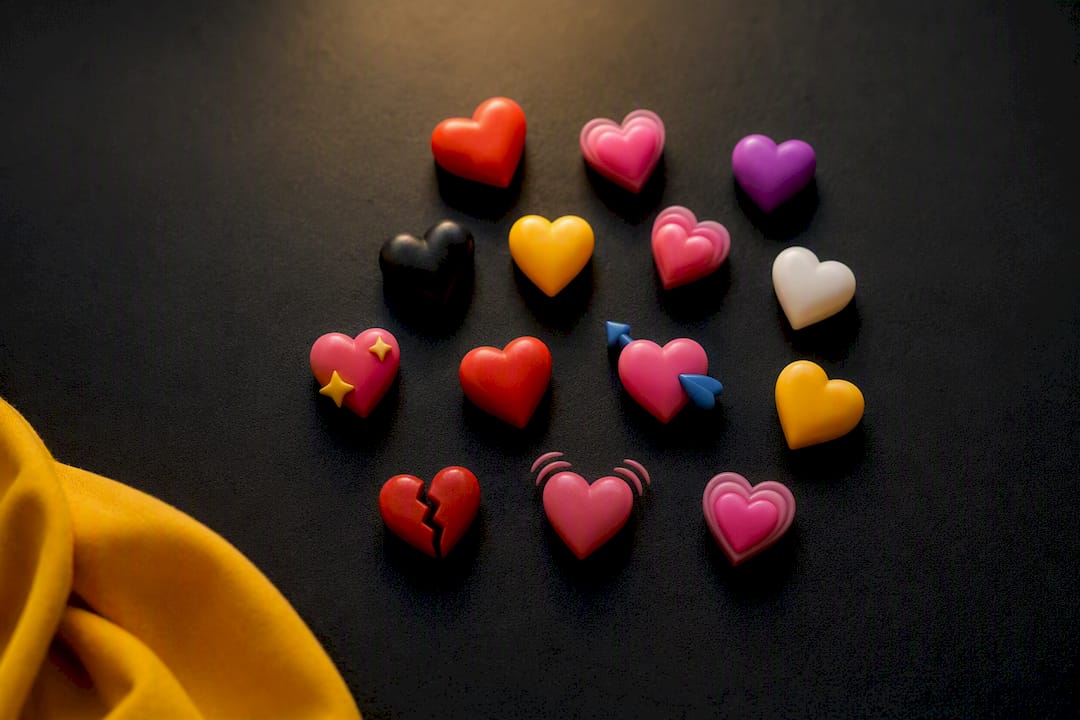
Color changes the message. Send a red heart and you’re saying romance or deep love. Send a yellow one and you’re saying friendship. Blue signals trust, green signals nature or envy, and black often just means dark humor or edge. That’s the rule: color modifies intent, but context and the relationship with your recipient decide the final read. As of 2026, there are 12 primary colored heart emojis in common use, and none of them come with an instruction manual.
Here’s the quick map:
- ❤️ Red: romantic or deep familial love
- 💛 Yellow: friendship, happiness
- 🧡 Orange: warmth, encouragement
- 💚 Green: nature, luck, sometimes jealousy
- 💙 Blue: trust, loyalty, calm platonic support
- 💜 Purple: fandom love, sometimes flirtation
- 🖤 Black: dark humor, grief, or aesthetic edge
- 🤍 White: purity, remembrance, quiet support
- 🤎 Brown: solidarity, earthiness, comfort
Pro Tip: Not sure which heart to send? Check what the other person uses most and reply with something close to it. Mirroring beats guessing every time.
Key Takeaways
Heart color changes meaning, but relationship, context, and platform decide how that color actually lands.
| Point | Details |
|---|---|
| Color sets the tone | Red signals romance, yellow signals friendship, blue signals trust and calm support. |
| No universal rulebook | Meanings shift by culture, group, and context, so no color is fixed. |
| Mirror the recipient | Matching someone’s existing emoji habits avoids sending a message stronger or weaker than intended. |
| Watch the variants | Pink hearts soften romance; special hearts like 💔 and ❤️🩹 carry situational, not romantic, meaning. |
| Use Emojitrove to check fast | Emojitrove’s emoji tools let you search and copy the right heart color before you send it. |
Table of Contents
- Heart Color Meanings by Type: A Full Breakdown
- What Do Pink Hearts and Other Heart Variants Mean?
- How to Choose the Right Heart Color Every Time
- Copy-and-Use Heart Examples for Common Situations
- Why There’s No Single Rulebook for Heart Colors
- Sources
- FAQ
Heart Color Meanings by Type: A Full Breakdown
Red is the one everyone agrees on, tracing back through centuries of religious symbolism such as the Sacred Heart of Jesus. It’s the oldest and most loaded heart in the set, tracing back through centuries of religious and romantic symbolism, including the Sacred Heart devotion and the commercialization of Valentine’s Day. Send it to a partner or your mom, and it lands exactly right. Send it to a coworker who just complimented your presentation, and it can read as far more intense than you meant. Experts who study digital communication describe red as reserved for the closest relationships: partners, immediate family, your oldest friends. Anywhere outside that circle, it can feel like too much.
Yellow softens things considerably. It reads as friendship, warmth, or plain happiness, which is why it’s a safe pick for group chats, casual congratulations, or texting someone you like as a person but haven’t caught real feelings for. Orange sits close by, often used for encouragement or excitement rather than affection specifically. Think “you’ve got this” energy more than “I love you.”
Green splits two ways. It’s nature, luck, and freshness in most contexts, but it can also mean jealousy or envy depending on the sentence around it. “So green with envy over your vacation” uses the color exactly as intended.
Blue carries some of the clearest, most stable meaning in the entire lineup. It commonly signals trust, loyalty, and calm platonic affection, and it shows up constantly in condolence messages, support for a cause, or team and brand loyalty tied to the color blue. It’s one of the few hearts that reads almost the same to a stranger as it does to a close friend, which makes it a low-risk default when you’re unsure what else to send.
Purple gets complicated fast. In some circles it’s fandom shorthand, most famously through BTS’s “I purple you,” a phrase built around the idea that purple contains both red and blue, love and trust together. In other contexts, particularly among younger users, purple can carry a flirtier or more sexualized undertone. It also has an entirely separate identity as the Purple Heart military medal, awarded for wounds or death in combat, which gives the color a weight that has nothing to do with romance at all. Same emoji, three completely different conversations.
Black usually means dark humor, mourning, or an aesthetic preference for gothic or minimalist styling rather than anything sinister. Context from the sender’s recent messages tells you which one you’re getting. White leans toward purity, remembrance, and quiet support, frequently showing up in memorial posts or as a calm, understated alternative to red. Brown is newer to wide use and often signals BIPOC solidarity, comfort, or an earthy aesthetic, according to reporting from Women’s Health on emerging heart usage.
None of this is codified anywhere. No dictionary, no platform, no standards body has ruled on what purple “officially” means, which is exactly why the same heart can carry opposite meanings in two different group chats.
What Do Pink Hearts and Other Heart Variants Mean?
Pink hearts soften romance without erasing it, which is why they work in more situations than plain red does. The beating and sparkle variants read as playful affection rather than declarations, making them safe for close friends, not just partners.
- 💕 Two hearts: mutual affection, often platonic or lightly romantic
- 💓 Beating heart: excitement, anticipation, a crush building
- 💗 Growing heart: increasing affection, “my feelings are growing”
- 💖 Sparkling heart: admiration, a compliment with sparkle attached
- 💞 Revolving hearts: mutual, ongoing love between two people
- 💝 Heart with ribbon: a gift of affection, often used around holidays
- 💘 Heart with arrow: a crush, Cupid energy, romantic pursuit
Special-purpose hearts do different jobs entirely. 💔 marks heartbreak or bad news. ❤️🔥 signals passionate, intense romantic or sexual energy. ❤️🩹 means healing after hurt. 🫀 is the literal anatomical heart, usually used for medical jokes or blunt honesty. ❣️ is an exclamation heart, useful for emphasis without full romantic weight. Rendering varies by platform, so an animated heart on one phone might look static on another.
How to Choose the Right Heart Color Every Time
Three things decide the read: your relationship with the recipient, the situation (celebration versus condolence versus casual chat), and the platform or audience you’re posting for. A blue heart on a memorial post reads as calm support. The same blue heart replying to a friend’s joke just reads as “nice one.”
Mirroring is the fastest way to avoid misfires. If someone consistently sends you yellow hearts, matching that keeps things comfortable; jumping straight to red can feel like you’re rewriting the relationship without asking. Quick rules: don’t send red to acquaintances or coworkers, don’t default to black when you mean something warm, and do check recent posts before assuming a color’s mood.
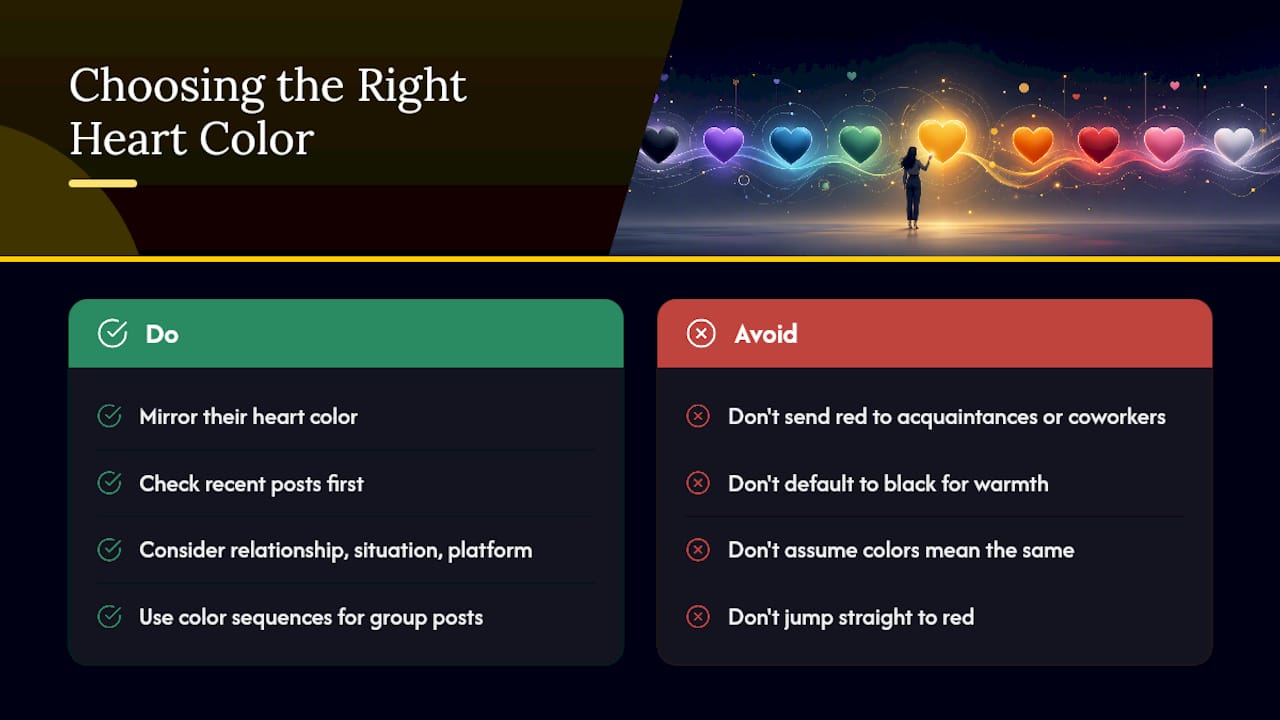
Pro Tip: Color sequences often signal group identity more than emotion, like pairing team colors or stringing hearts for an awareness campaign. If a string of hearts looks intentional, it probably is.
Copy-and-Use Heart Examples for Common Situations
- Congratulating a friend: “You did it!! 💛”
- Texting a crush: “Thinking about you today 💗”
- Supporting someone going through a hard time: “Here for you, always 💙”
- Sending condolences: “So sorry for your loss 🤍”
- Celebrating an anniversary with a partner: “Six years and counting ❤️”
- Hyping a friend’s new job: “So proud of you 🧡”
- Reacting to a funny but relatable post: “This is so me 🖤”
- Showing solidarity on a cause post: “With you 🤎”
Skip red for coworkers or new acquaintances. If a heart color feels ambiguous, a neutral one like yellow or white avoids overreading. If someone sends you an unexpected heart color, replying with the same one keeps the tone consistent instead of escalating or deflating it.
Why There’s No Single Rulebook for Heart Colors
Heart emoji meanings aren’t standardized, and that’s not a gap in the system. It’s the nature of how emojis spread: through group chats, fandoms, and regional slang rather than a central authority. Communication specialists who study digital tone consistently land on the same advice.
Mirroring a person’s emoji language works better than any fixed color chart because their history and their group’s norms are the real signal, not the color alone.
This guide leans on reporting from Emojipedia-style references, Cosmopolitan and Women’s Health explainers, and the deeper cultural history behind the heart symbol itself, from religious iconography to modern branding.
A quick note on reading hearts responsibly
I’ve watched enough group chats implode over a misread heart to trust one rule above all others: when a color’s meaning feels unclear, test it in a low-stakes message before you use it somewhere that actually matters.
Find, Copy, and Learn Every Heart Instantly
Scrolling through your keyboard’s emoji picker hunting for the right shade of heart wastes time you don’t have mid-conversation. Emojitrove’s emoji tools let you search, copy, and paste any heart color in seconds, no guessing which icon your phone buried three screens deep.
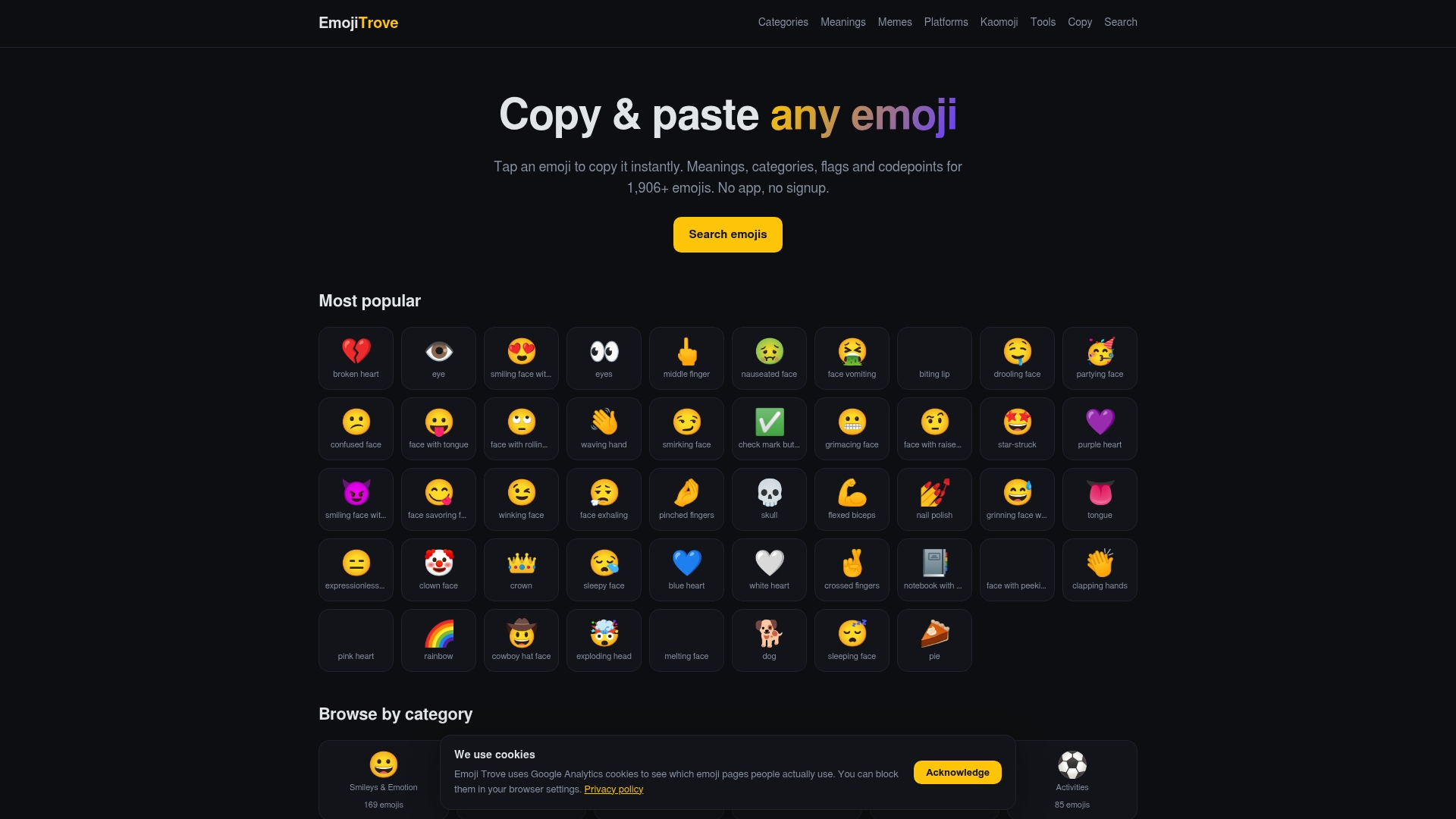
Every heart on the site links to a full meaning breakdown, so if you want more detail than a color map before you hit send, the emoji meaning pages go deeper into usage, tone, and platform quirks. Start with the copy-and-paste tool next time you’re picking between blue and purple, and you’ll never send the wrong heart out of pure keyboard fatigue again.
Sources
- What Does the Blue Heart Emoji Mean? — WikiHow
- What Every Heart Emoji Actually Means — Cosmopolitan
- Heart emoji meanings — Women’s Health
- Global interpretations of the heart symbol — EatHealthy365
FAQ
What does ❤ 🧡 💛 💚 💙 💜 🖤 mean?
Red means romantic or deep familial love, orange means warmth or encouragement, yellow means friendship, green means nature or luck, blue means trust and calm support, purple means fandom love or flirtation, and black means dark humor or grief depending on context.
What does 💙 💙 mean?
Repeated blue hearts usually emphasize trust, loyalty, or platonic support, often used to reply to good news, offer comfort, or show solidarity with a cause or team associated with blue.
What does 🤍 hearts mean?
White hearts commonly signal purity, remembrance, or quiet emotional support, and they show up frequently in memorial posts as a gentler alternative to red.
What is the difference between 💕 and ❤️?
💕 (two hearts) reads as softer, often platonic or lightly romantic affection, while ❤️ is the classic symbol of intense romantic or familial love reserved for closer relationships.
Is there an official meaning for each heart color?
No. Heart emoji meanings aren’t standardized by any platform or dictionary, so the color map here reflects common usage rather than a fixed rule, and checking a tool like Emojitrove’s meaning pages can help when a specific context feels unclear.