The Only Angry Kaomoji List You Need to Copy and Paste
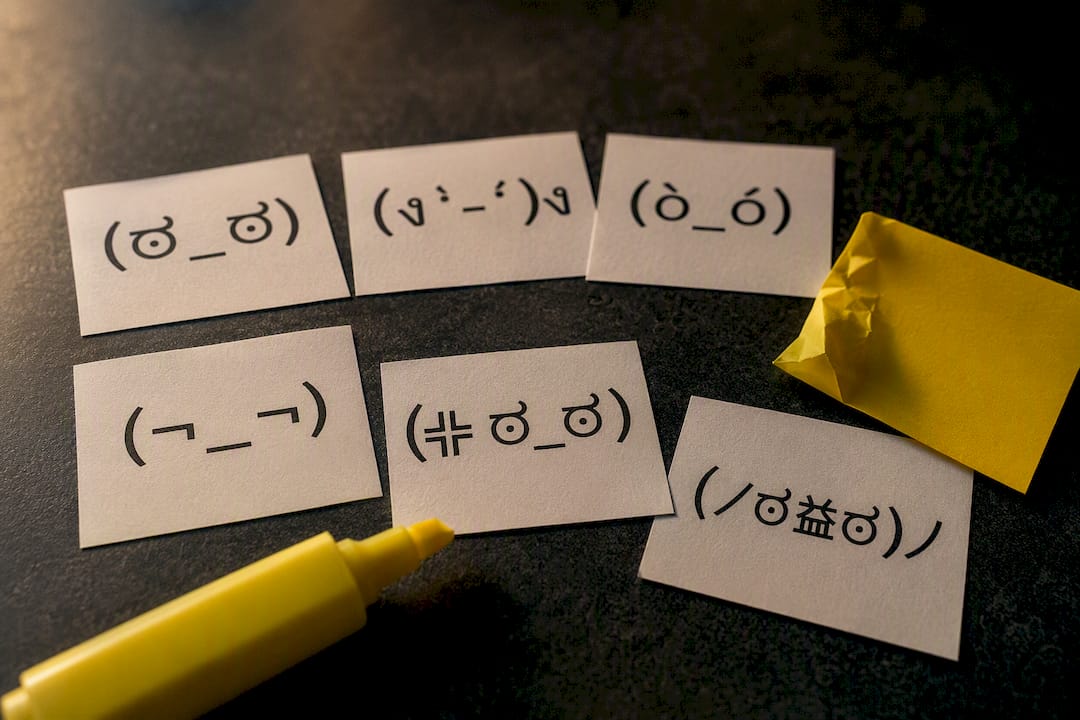
Top angry kaomojis to copy right now: (ノಠ益ಠ)ノ, ╯°□°)╯︵┻━┻, (ꐦ¬_¬), (╬ 益´)**, **凸(`0´)凸**, **( 。 •ᴖ´• 。), and ヽ(#`Д´)ノ. Each one carries a different flavor of frustration, from a quiet side-eye to a full table flip, and every character in them is standard Unicode text, so they paste cleanly into Discord, Instagram captions, or a group chat without breaking.
Here’s the quick shortlist with tone tags so you can grab the right one on the first try:
- (ノಠ益ಠ)ノ — furious, arms-up rage
- ╯°□°)╯︵┻━┻ — table flip
- (ꐦ¬_¬) — side-eye, unimpressed
- (╬ `益´) — pressure vein, furious
- 凸(`0´)凸 — gesture, defiant
- ( 。 •`ᴖ´• 。) — annoyed pout, mild
- ヽ(#`Д´)ノ — shouting, furious
The rest of this guide breaks these angry kaomoji down by intensity, shows how to copy and paste them without formatting headaches, and covers a few edits you can make to dial the emotion up or down.
Key Takeaways
Angry kaomoji work best when the intensity of the face matches the seriousness of the message, from a quiet (¬_¬) to a full ╯°□°)╯︵┻━┻ table flip.
| Point | Details |
|---|---|
| Match tone to intensity | Use quiet faces like (¬_¬) for real complaints and dramatic ones like ╯°□°)╯︵┻━┻ for playful venting. |
| Copy mechanics stay simple | Highlight the kaomoji, then paste with Ctrl+V or ⌘+V; Discord and LINE render them natively. |
| Symbols carry the emotion | 益 and 皿 build angry mouths, ╬ adds a manga anger vein, and ಠ signals a disapproving glare. |
| Combine for extra punch | Pairing a kaomoji like (ノಠ益ಠ)ノ with emoji such as 💢 sharpens the tone for fast readers. |
| Explore more with Emojitrove | Emojitrove’s angry kaomoji collection and copy tools cover far more variants than any single list. |
Table of Contents
- Angry Kaomoji Grouped by Intensity and Style
- How to Copy and Paste Kaomoji Without Breaking Them
- Customizing Your Own Angry Kaomoji
- Where Angry Kaomoji Symbols Actually Come From
- Sources
- FAQ
Angry Kaomoji Grouped by Intensity and Style
Not every argument calls for a table flip. Angry Japanese emoticons work best when the intensity of the face matches the message, so this collection is grouped from a raised eyebrow all the way to full meltdown.
Mild annoyance
These read as irritated rather than enraged, which makes them safer for work chats or a mildly passive-aggressive text to a friend.
- ( 。 •`ᴖ´• 。) — a soft, pouting kind of annoyed
- (¬_¬) — the classic skeptical side-eye, doubles as “I don’t believe you”
- (ꐦ¬_¬) — same side-eye with a sharper edge, good for sarcasm
- (-_-) — flat, over-it energy
The ¬_¬ combo shows up constantly across angry text faces because slanted eyes read as judgmental without shouting. It’s the kaomoji version of a raised eyebrow.
Angry
One step past irritated, these faces communicate real frustration without going theatrical.
- (≖_≖ ) — narrowed, suspicious anger
- (ง •̀_•́)ง — fists up, ready to argue
- (`A´) — sharp mouth shape, clipped annoyance
- (°_°) — wide-eyed disbelief anger
The (ง •̀_•́)ง entry works particularly well because the fists on either side add motion to a face that would otherwise just look tense. It’s a favorite for “let’s settle this” energy in gaming chats.
Furious
Here’s where the mouth shapes change entirely. Japanese kaomoji culture uses kanji characters like 益 (benefit, but visually reads as a scowling mouth) and 皿 (dish, used for a wide-open screaming mouth) to signal genuine rage instead of mild irritation.
- (ノಠ益ಠ)ノ — the internet’s most recognized angry kaomoji, arms raised in full rage
- ヽ(#`Д´)ノ — shouting face with a pound sign for stress lines
- (╬ `益´) — the ╬ symbol marks a bulging vein, a manga convention for boiling anger
- (メ`ー´) — sharp, narrowed fury
The ಠ character deserves a callout on its own. It started as a Kannada letter but got adopted online as a “disapproving eye” because of its rounded, glaring shape, and it now anchors dozens of frustrated kaomoji expressions, including the ever-popular ಠ_ಠ.
Table flip and dramatic gestures
These are less about subtlety and more about comedic escalation. Nobody uses a table flip kaomoji to convey quiet disappointment.
- ╯°□°)╯︵┻━┻ — the original table flip, still the most copied rage kaomoji online
- ┬─┬ ノ( ゜﹣゜ノ) — the “flip the table back” follow-up, useful for sarcastic de-escalation
- (╯’□’)╯︵ ┻━┻ — a slight variant with rounder eyes, reads as more cartoonish
Gestures
Blunt, visual, and best saved for close friends or memes rather than customer service complaints.
- 凸(`0´)凸 — double middle-finger gesture, the most common version of this style
- (メ° ᗜ °)凸 — gesture paired with a smug grin, more playful than hostile
Cute and passive-aggressive hybrids
Sometimes the funniest move is anger wrapped in cuteness. These kaomoji expressions read as fake-sweet or tsundere, useful when you want to tease rather than actually fight.
- ( 。 •`ᴖ´• 。) — pouty but still adorable
- (^▽^) used sarcastically after a complaint — the mismatch between a smiling face and angry text does the work
- (≧д≦) — scrunched, dramatic mock-suffering
If you want a bigger stash of these rage kaomoji sorted and ready to grab, Emojitrove’s angry kaomoji collection keeps a running library beyond this shortlist, and the full kaomoji hub covers every mood from smug to heartbroken if you need a tone shift.
How to Copy and Paste Kaomoji Without Breaking Them
Kaomoji are plain text, not images, so copying one works exactly like copying any sentence. Tap and hold on mobile or click and drag on desktop to highlight the face, copy it, then paste with Ctrl+V on Windows or ⌘+V on Mac.
A few platform quirks are worth knowing before you hit send:
- iOS and Android: some keyboards auto-correct spacing or swap straight quotes for curly ones, which can mangle a kaomoji’s eyes or mouth. Paste into a notes app first if a face looks broken.
- Discord and Slack: both render kaomoji as plain text with no issues, and they survive inside code blocks if you want to lock the spacing.
- Twitter/X and Instagram: captions handle kaomoji fine, though Instagram sometimes centers text oddly on certain fonts, so preview before posting.
- LINE and iMessage: both display kaomoji natively since they’re just Unicode characters, no special app needed.
Pro Tip: If a kaomoji looks squished or the spacing collapses after pasting, switch your keyboard’s autocorrect off temporarily. Most broken faces come from autocorrect swapping a character mid-paste, not from the platform itself.
Customizing Your Own Angry Kaomoji
Small swaps change the entire mood of a face. Replace the eyes first: swapping calm dots for ` or > sharpens the expression instantly, and dropping in ಠ turns a neutral face judgmental.
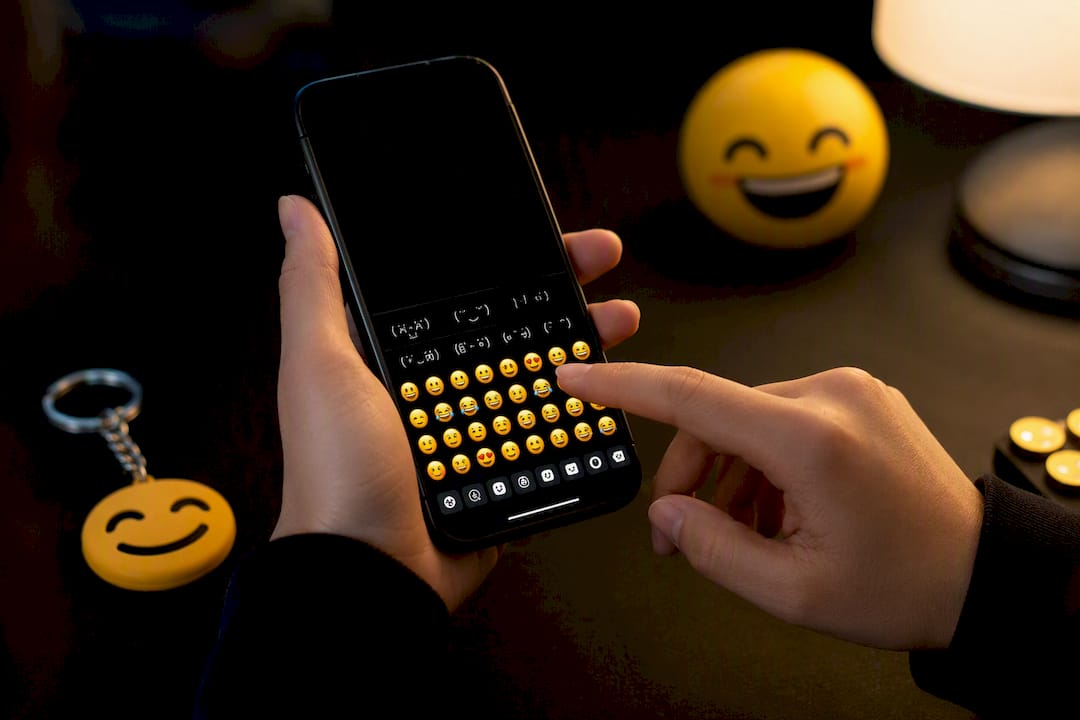
The mouth does even more work. Swap a simple underscore for 益 or 皿 and a mildly annoyed face jumps straight to furious. Add ╬ near the forehead position and you’ve added the classic manga anger vein, which reads as “about to explode” even in an otherwise calm face like (╬ ಠ_ಠ).
Combining kaomoji with standard emoji adds another layer. Pairing (ノಠ益ಠ)ノ with 💢 or 😡 right after it doubles down on the fury for readers scanning fast, while a plain text follow-up like “not okay” removes any doubt about tone. Tools like the generators on Perchance can help you experiment with new character combinations if you want something nobody’s used before.
Pro Tip: Save your best custom variants in your phone’s clipboard manager or a notes app. Rebuilding a good angry kaomoji from scratch every time you need it wastes the exact moment you needed it fast.
Where Angry Kaomoji Symbols Actually Come From
Kaomoji translates roughly to “face characters,” a Japanese text-art tradition built from standard keyboard symbols arranged to look like a face reading straight on, unlike Western emoticons like :( that you tilt your head to read. Anger in kaomoji leans on a specific symbol vocabulary borrowed straight from manga and anime, where visual shorthand for rage is decades old.
The kanji 益 and 皿 get repurposed for their shapes rather than their meanings. A wide 皿 becomes a screaming open mouth, while ╬ mimics the cross-hatched “anger vein” manga artists have drawn on furious characters for generations.
The Kannada letter ಠ took a stranger path into the vocabulary, adopted purely for its glaring, rounded look rather than any connection to its linguistic origin, and it’s now a fixture in expressions people never intended to have anything to do with the Kannada script. Reference lists like Japan Reference’s collection of angry and irked emoticons catalog dozens of these variants, and it’s worth remembering the whole style borrows heavily from manga conventions rather than standing apart from them.
Choosing the right kaomoji for the moment
I’d reach for a quiet face like (¬_¬) over a table flip when a complaint is actually serious. Dramatic kaomoji read as playful venting, and using one during a real disagreement can make the sender look like they’re not taking the issue seriously. When tone might get misread, follow the kaomoji with a plain sentence instead of trusting the face to carry the whole message.
Grab More Kaomoji and Copy Tools From Emojitrove
Emojitrove keeps a growing library of kaomoji sorted by mood, plus text tools built for fast copying and translating symbols when you want more than a single face. 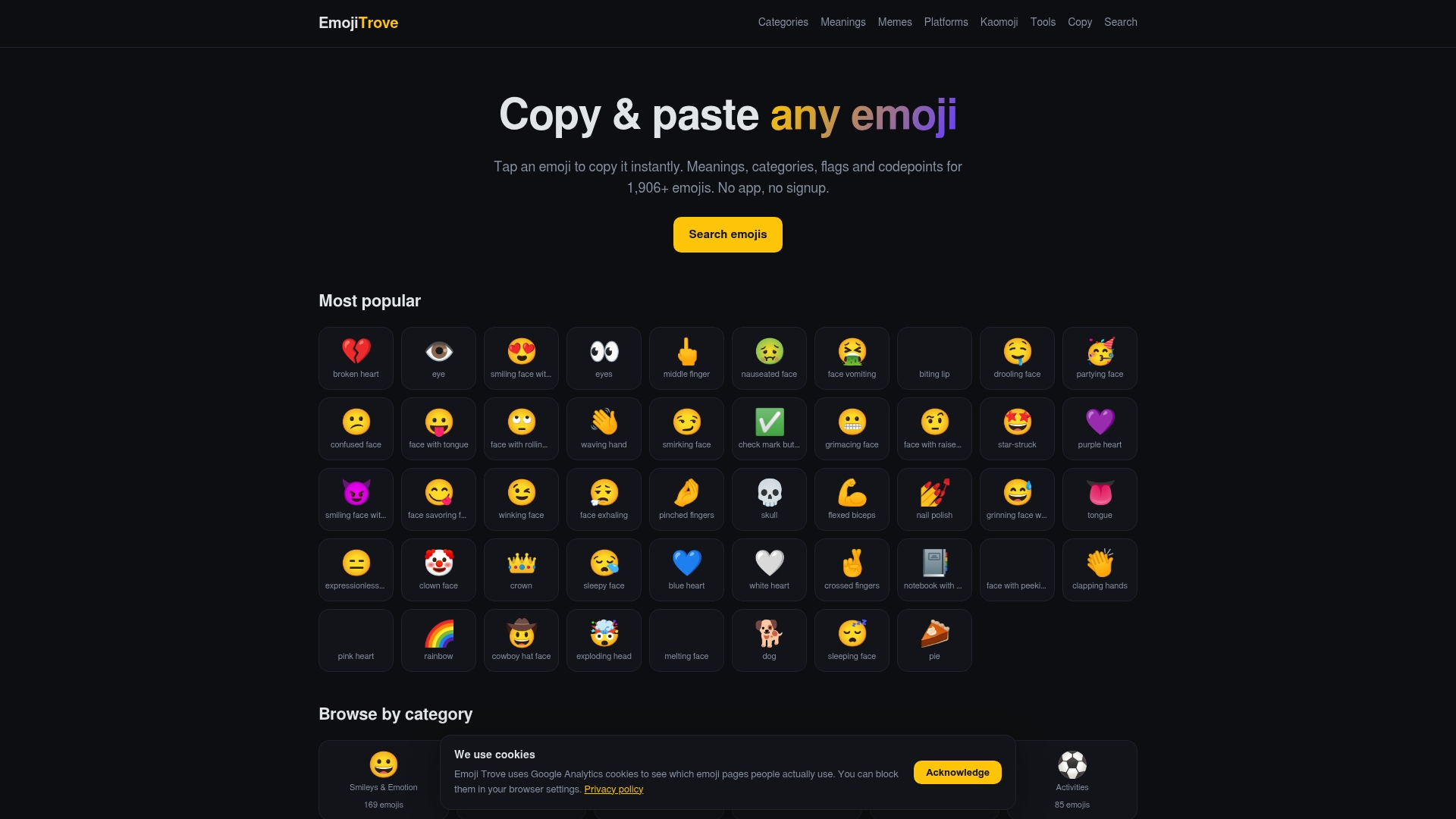
If this list didn’t have the exact rage level you needed, the emoji copy and paste hub covers everything from subtle side-eyes to full meltdown gestures in one searchable place. Head over and grab whatever fits your next group chat disaster.
Sources
FAQ
What Is the Most Popular Angry Kaomoji?
(ノಠ益ಠ)ノ is the most widely recognized angry kaomoji online, thanks to its raised-arms rage pose and the glaring ಠ eyes.
Are Kaomoji the Same as Emoji?
No. Kaomoji are built from standard keyboard characters and read straight on, while emoji are individual Unicode pictographs; you can combine both for extra emphasis.
Why Do Some Angry Kaomoji Use ಠ for the Eyes?
The Kannada letter ಠ got adopted purely for its round, glaring shape and now anchors many disapproving or furious kaomoji, including (ಠ_ಠ) and (ノಠ益ಠ)ノ.
Will Kaomoji Paste Correctly on Every App?
Most kaomoji paste cleanly on Discord, Slack, LINE, and iMessage since they’re plain Unicode text, though some mobile keyboards may alter spacing during autocorrect.
Where Can I Find More Angry Kaomoji to Copy?
Emojitrove’s angry kaomoji collection holds additional variants beyond this list, sorted for quick one-tap copying.